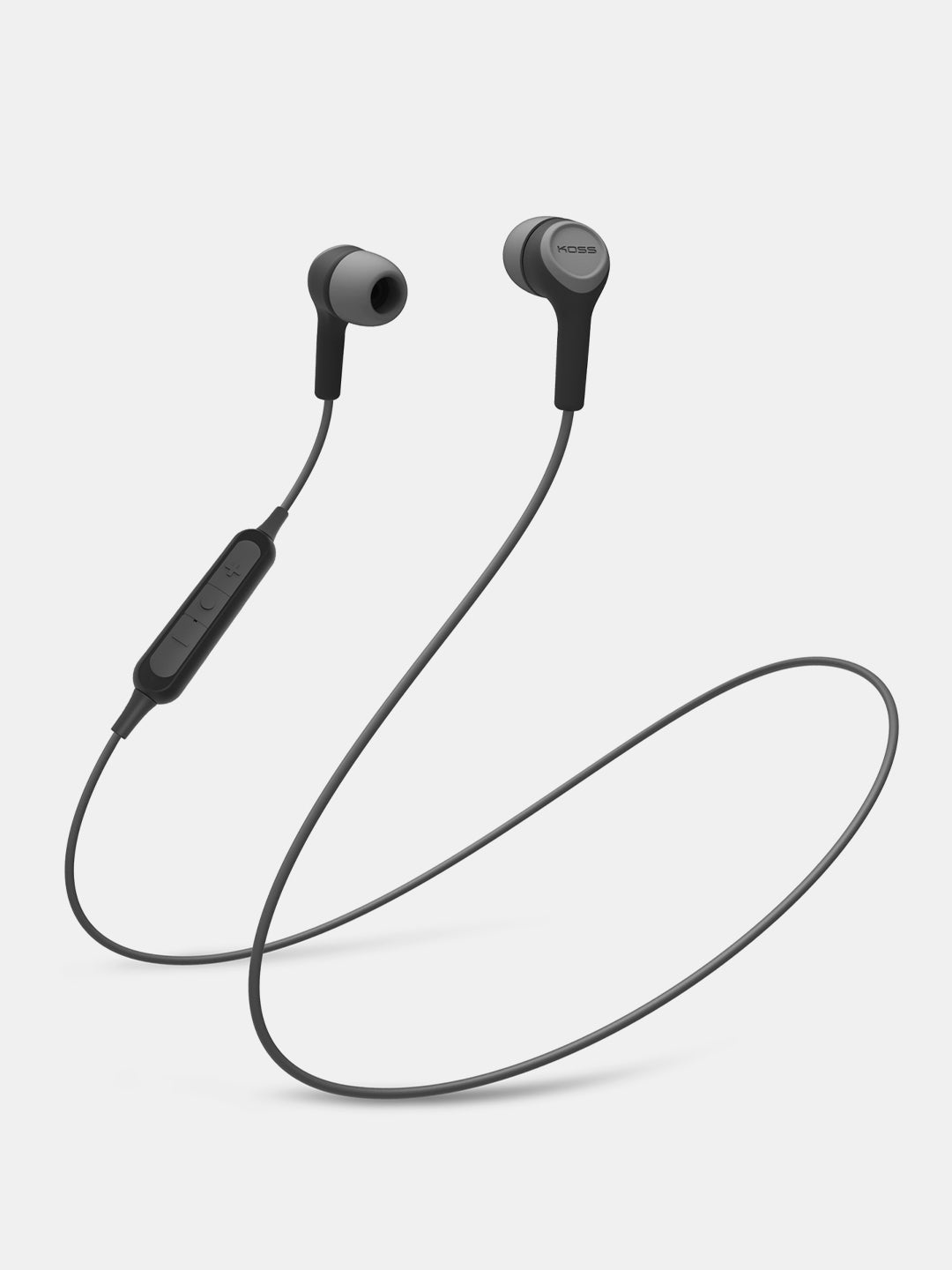
The Evolution of Earbuds: From Wires to Wireless Wonders
The evolution of earbuds has been nothing short of remarkable, transforming from cumbersome wired devices to sleek, wireless wonders. Initially, earbuds were tethered to bulky music players and smartphones with tangled cords, creating a less-than-ideal user experience. As technology advanced, manufacturers began to innovate, introducing improvements such as better sound quality, enhanced durability, and more comfortable designs. With the launch of the first truly wireless earbuds, like Apple's AirPods in 2016, the market experienced a seismic shift. These devices eliminated wires entirely, allowing users to move freely while enjoying their favorite tunes.
Today, wireless earbuds have become an essential accessory for many, offering features that were once thought impossible. Modern earbuds come equipped with advanced functionalities like noise cancellation, touch controls, and sweat resistance, catering to a diverse range of lifestyles. The integration of smart technology means users can now interact with their devices using voice commands, making listening even more convenient. As we look to the future, it's clear that the journey of earbuds from wired to wireless is far from over, with ongoing innovations promising to redefine how we experience audio.
Counter-Strike is a highly popular team-based first-person shooter that has captured the hearts of gamers worldwide. Players can engage in tactical gameplay as terrorists or counter-terrorists, with various objectives that need to be completed. For those looking to enhance their gaming experience, it is crucial to have the right audio gear, so check out our Top 10 Earbuds for Zoom Calls to find the best options available.
How to Choose the Perfect Earbuds for Your Music Style
Choosing the perfect earbuds for your music style can significantly enhance your listening experience. First, consider the type of music you usually listen to. Different genres produce distinct sound profiles—bass-heavy music like hip-hop or EDM benefits from earbuds that offer deeper bass response, while classical music lovers may prefer earbuds with a balanced soundstage to capture the nuances of orchestral arrangements. Research brands that specialize in different sound signatures to find the one that suits your auditory preferences.
Second, think about the features that matter most to you. For instance, if you’re an active listener who enjoys jogging or hitting the gym, look for sweat-resistant options with a secure fit. Noise-canceling features can be crucial for those who crave an immersive experience in noisy environments. Additionally, consider the battery life and connectivity options, especially if you intend to use your earbuds for extended periods. By narrowing down your choices based on these important criteria, you can select earbuds that align perfectly with your unique music style.
Are Expensive Earbuds Worth the Investment?
Investing in expensive earbuds often comes down to the balance between sound quality and budget. While it may be tempting to opt for cheaper alternatives, high-end earbuds typically offer superior sound performance, better noise isolation, and enhanced durability. This is particularly important for audiophiles or anyone who values their listening experience. Furthermore, expensive earbuds often come equipped with advanced technology such as active noise cancellation and customizable sound profiles, setting them apart from their budget counterparts.
In addition to sound quality, expensive earbuds frequently provide improved comfort and fit, which can significantly affect your overall experience. Many premium models include various ear tip sizes and ergonomic designs that cater to individual ear shapes, making them suitable for extended listening sessions. Over time, the investment in quality earbuds can pay off, as they are less likely to need replacement compared to lower-priced options. Overall, the worth of expensive earbuds is largely subjective and depends on personal priorities when it comes to audio experience.