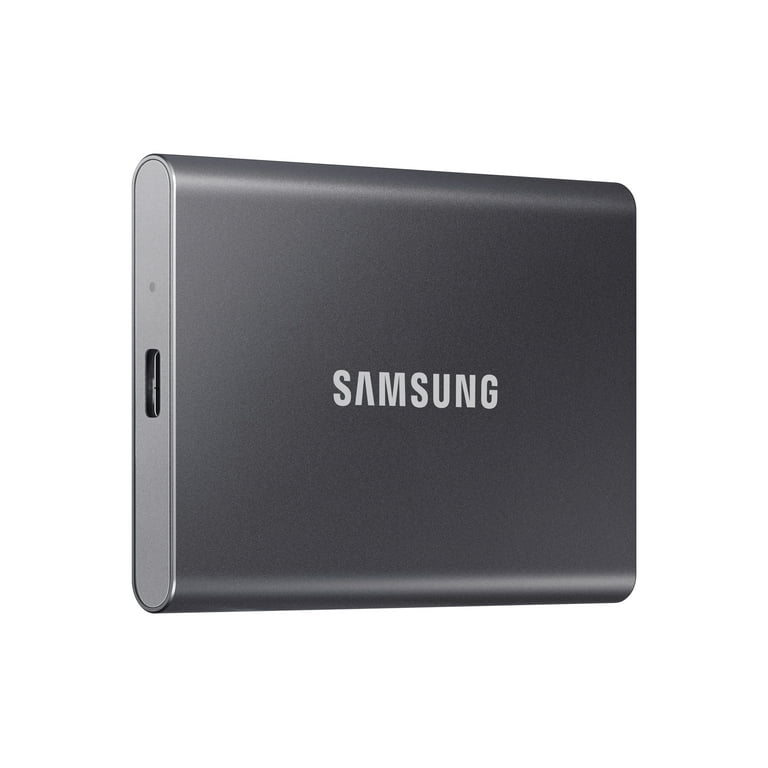
Top 5 Benefits of Using an External SSD for Your Data Storage Needs
When it comes to data storage, external SSDs have become a popular choice among both professionals and casual users. One of the primary benefits of using an external SSD is their speed. Compared to traditional hard drives, SSDs offer significantly faster read and write speeds, which can drastically reduce the time it takes to transfer large files. Whether you are editing high-resolution videos or backing up important documents, the quick access times and improved performance of external SSDs enhance productivity and efficiency.
Another major advantage of using an external SSD is their portability. These compact storage devices are designed to be lightweight and easy to carry, making them perfect for users who are always on the go. This allows you to easily back up your data or access it from different locations without the hassle of bulky equipment. Additionally, many external SSDs come with added security features, such as encryption, which helps keep your sensitive information safe from unauthorized access. Here are some key benefits:
- Speed: Faster transfers and performance.
- Portability: Easy to carry for on-the-go access.
- Durability: More resistant to physical damage.
- Capacity: Available in various storage sizes.
- Security: Often features encryption options.
Counter-Strike is a popular first-person shooter game that has gained a massive following since its initial release. It pits teams of terrorists against counter-terrorists in various objective-based scenarios. Players often seek ways to enhance their gaming experience, including optimizing their hardware with the Top 10 external ssds for mac to reduce load times and improve performance.
How to Choose the Right External SSD: A Comprehensive Guide
When it comes to choosing the right external SSD, several key factors will determine the best fit for your needs. First, consider the storage capacity. External SSDs come in various sizes, typically ranging from 256GB to several terabytes. If you plan to store large files such as videos or high-resolution images, opt for a drive with at least 1TB of capacity. Additionally, evaluate the connectivity options. Most SSDs feature USB 3.0 or USB-C connections, with USB-C offering faster transfer speeds. Make sure your devices are compatible with the chosen connection type to maximize performance.
Another critical aspect to consider is the speed performance of the SSD, which is often rated in MB/s. Look for drives that offer transfer speeds upwards of 500MB/s for optimal performance, especially when working with large files. It's also wise to research the durability and build quality of the external SSD, especially if you plan to travel with it. Drives with rugged designs can withstand drops and adverse conditions, providing additional peace of mind. Lastly, don’t forget to check user reviews and warranties to ensure you are investing in a reliable product that meets your long-term storage needs.
What You Need to Know About Speed and Performance in External SSDs
When considering speed and performance in external SSDs, it's crucial to understand the various elements that contribute to these specifications. Solid State Drives (SSDs) utilize flash memory, which allows for faster data access and transfer speeds compared to traditional hard drives. Factors such as interface type, read/write speeds, and form factor significantly influence the overall performance of the SSD. For instance, devices that use the USB 3.2 interface typically achieve much higher transfer speeds, potentially reaching up to 20 Gbps, depending on the specific implementation.
Another important aspect to consider is the endurance and reliability of an external SSD. These characteristics are often quantified by metrics such as TBW (Terabytes Written) and MTBF (Mean Time Between Failures). A higher TBW indicates a drive's resilience over time, making it a vital consideration for users who frequently transfer large files or use the SSD for extensive read/write operations. In summary, understanding the nuances of speed and performance in external SSDs can help users make informed decisions, ensuring they select a drive that meets their needs effectively.