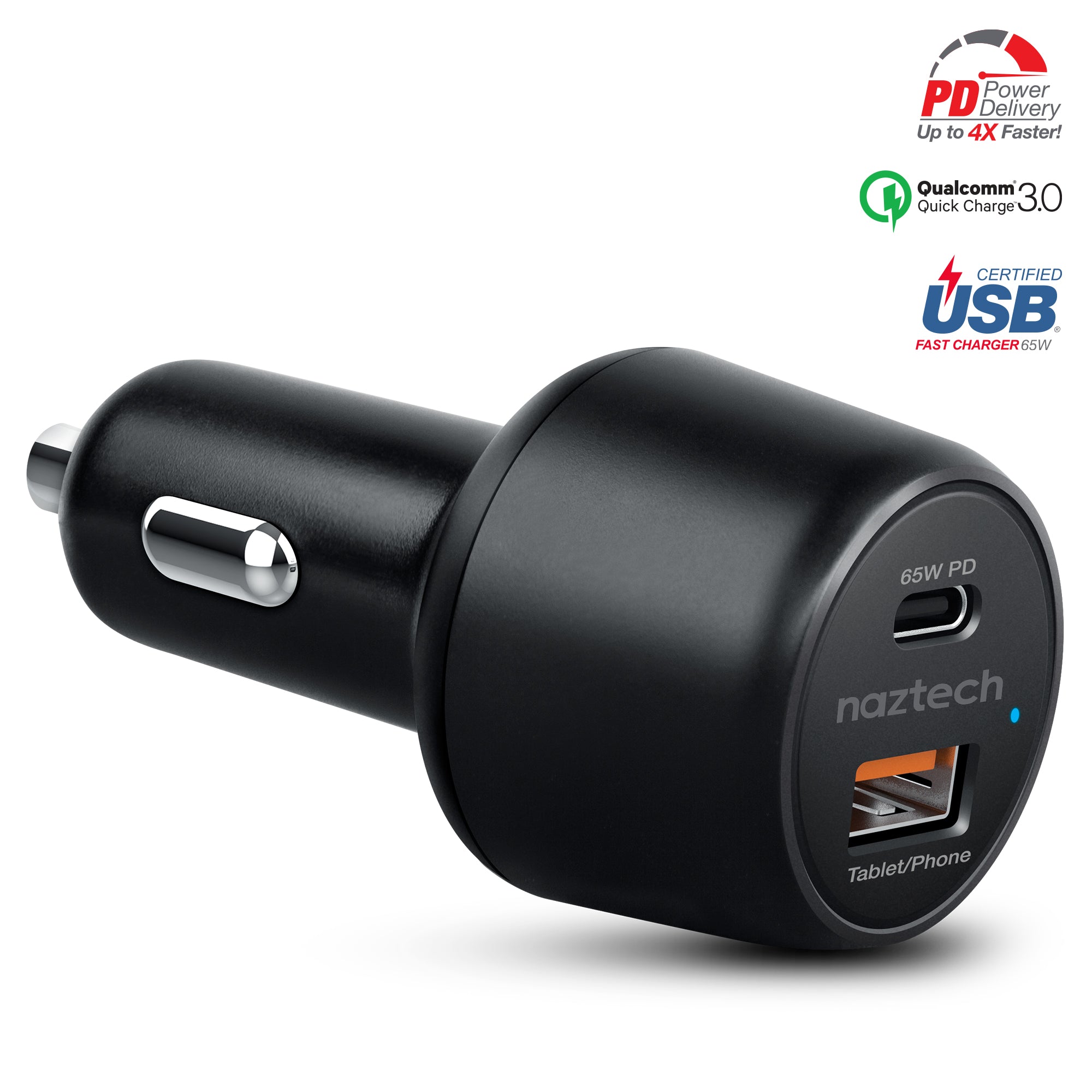
The Science Behind Fast Charging: How It Works and Its Limitations
The science behind fast charging involves a complex interplay of electrical engineering and battery chemistry. At its core, fast charging increases the amount of current flowing into a battery, allowing it to charge at a rapid pace. This process involves advanced technologies such as voltage management and thermal regulation. Most fast chargers employ a technique known as constant current/constant voltage (CC/CV), where the charger first provides a high current when the battery is low, and then transitions to a steady voltage as the battery reaches capacity. Understanding these mechanisms is crucial for optimizing charging times without compromising battery lifespan.
However, despite its advantages, fast charging has its limitations. Charging speeds can be affected by factors such as battery temperature, charger compatibility, and the state of health (SoH) of the battery. High temperatures generated during charging can lead to thermal runaway, potentially damaging the battery over time. Additionally, not all devices or batteries support fast charging; therefore, using the wrong charger may result in prolonged charging times or even harm the device. Overall, while fast charging technology offers significant convenience, it is important to be aware of its limitations to ensure safety and maintain battery health.
Counter-Strike is a popular first-person shooter game that has captivated gamers since its initial release in 1999. Players compete in teams, taking on roles such as terrorists and counter-terrorists, with the objective of completing various missions. The game's competitive nature and strategic gameplay make it a favorite in the esports community. For those looking to enhance their gaming experience, check out the Top 10 fast chargers for iphone to ensure your devices are always charged and ready for action.
Top Gadgets That Struggle with Fast Charging: What You Need to Know
As technology continues to evolve, fast charging has become a staple feature in many gadgets, yet not all devices can handle this remarkable capability effectively. Smartphones, tablets, and even some laptops are marketed with fast charging options; however, they often struggle with heat management and battery health over time. For instance, some flagship smartphones, while capable of charging at impressive speeds, can reach high temperatures that may lead to throttling or, worse, damage to the battery lifespan. It is crucial for consumers to understand how their favorite gadgets manage the heat generated during charging in order to optimize their device's longevity.
Moreover, other gadgets, such as wireless earbuds and smart watches, also face challenges regarding fast charging. These compact devices typically come equipped with small batteries that can charge quickly, but they often lack the robust technology that more prominent devices have to manage power efficiently. Consequently, consumers might experience rapid battery depletion after frequent use of fast charging, leading to performance issues. To maximize battery life, it's advisable to seek out gadgets that balance fast charging capabilities with *intelligent charging technology*, providing a seamless and safe charging experience.
Is Fast Charging Right for You? Pros and Cons to Consider
Fast charging technology has revolutionized the way we power our devices, but it's essential to weigh the pros and cons before deciding if it's the right choice for you. On the positive side, fast charging can significantly reduce the time you spend waiting for your device to reach a full battery. For example, a quick 15-minute charge can often provide several hours of use, making it exceptionally convenient for users on the go. Additionally, many modern devices are equipped with fast charging capabilities, further enhancing their usability.
However, there are some drawbacks to consider. Fast charging can generate increased heat, which may impact the lifespan of your device's battery over time. Moreover, not all chargers are created equal; using incompatible or low-quality fast chargers may pose risks, including overheating or battery damage. As you evaluate if fast charging is the right option for you, consider your usage habits and whether the convenience outweighs potential long-term effects on your device.