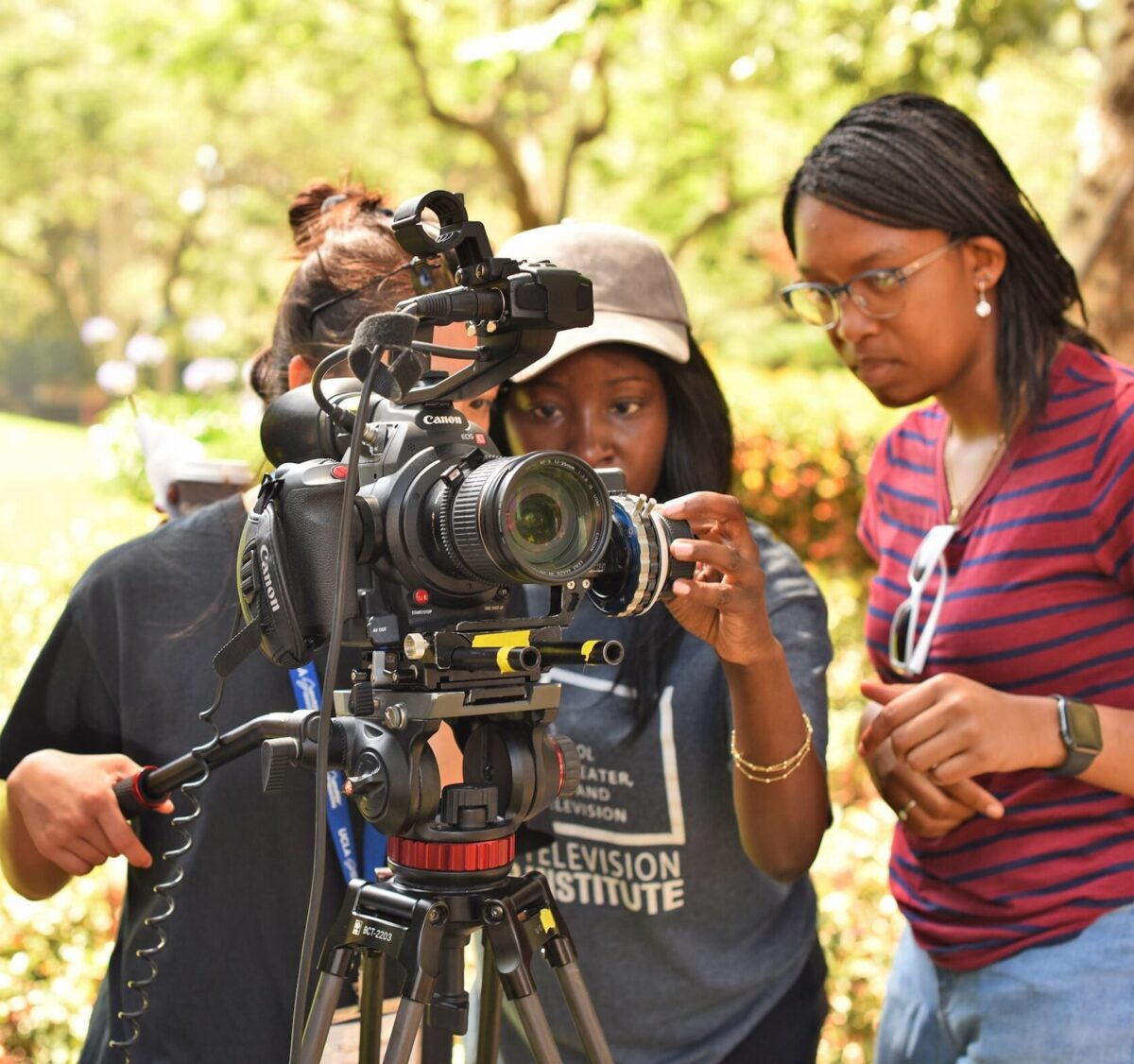
The Importance of a Backup Plan in Filmmaking: Lessons from Industry Pros
In the dynamic world of filmmaking, having a backup plan is not just advisable; it's essential. Industry professionals often emphasize that the unpredictable nature of production can result in unforeseen challenges ranging from weather disruptions to equipment failures. According to renowned director Jane Smith, "A solid backup plan acts as a safety net, allowing creativity to flourish without the constant fear of what could go wrong." This sentiment is echoed by seasoned cinematographer Mark Johnson, who believes that since every shoot has its unique hurdles, being prepared with contingencies can save both time and resources.
Many filmmakers utilize various strategies to develop their backup plans. Here are some key takeaways from industry pros:
- **Always have a secondary location** in mind in case your primary set is unavailable.
- **Backup your footage regularly** to avoid losing critical shots due to technical failures.
- **Consider alternative crew members** or teams who can step in if someone is unavailable.
Counter-Strike is a highly popular first-person shooter game that has captivated millions of players worldwide since its inception. Known for its tactical gameplay and team-based strategies, players engage in intense matches that require communication and skill. If you're looking to enhance your gaming experience, check out the Top 10 Phone Accessories for YouTube that can take your streaming to the next level.
What to Do When Your Film Plans Fall Through: Exploring Alternative Solutions
When your film plans fall through, it can feel disheartening, especially after dedicating considerable time and effort to the project. However, it is essential to maintain a positive outlook and explore alternative solutions to keep your creative momentum alive. Start by assessing the reasons behind the cancellation or delay; understanding these factors can help you make informed decisions moving forward. Consider reaching out to your team, as collaboration can lead to unexpected creative solutions. You might also explore options to repurpose your existing materials into a new project or approach the script from a different angle.
Another effective strategy is to diversify your networks. Attend local film festivals or workshops to connect with fellow filmmakers and actors who may be interested in collaborating on new ideas. Additionally, you can explore different platforms to share your work, such as social media or independent film websites, to gain exposure and attract potential collaborators. Engaging with the film community in this way can spark inspiration and lead to new opportunities that align with your vision, even if your original plans have shifted.
The Unseen Side of Filmmaking: How to Prepare for the Unexpected
Filmmaking is often perceived as a glamorous endeavor, but the truth is that every production comes with its fair share of challenges. The unseen side of filmmaking requires meticulous preparation for the unexpected. From inclement weather disrupting outdoor shoots to sudden script changes, it’s crucial for filmmakers to cultivate flexibility. Utilizing a comprehensive checklist that includes backup plans for various scenarios can significantly alleviate stress during production. For instance, having a list of alternative locations or adjusting shooting schedules can keep your team on track even when surprises arise.
Moreover, communication plays an essential role in navigating the unforeseen. Establishing a clear line of dialogue with your cast and crew ensures that everyone is on the same page, especially when adapting to unexpected changes. Regular team meetings can foster a culture of problem-solving, where ideas are exchanged, and innovative solutions are sought. Remember, in addition to technical skills, emotional resilience is needed to maintain morale when challenges pop up. Embracing the unpredictable aspects of filmmaking can transform potential setbacks into opportunities for creativity and collaboration.