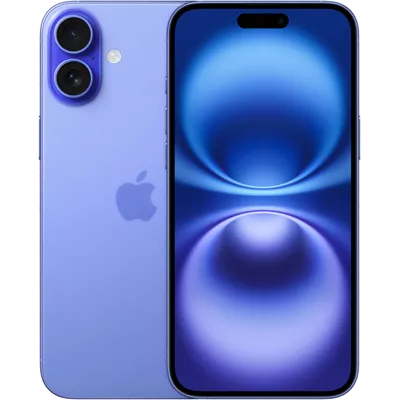
5 Ways Your iPhone Can Help Improve Your Mental Health
In today's fast-paced world, iPhones have become an essential tool for maintaining our mental health. Here are 5 ways your iPhone can help you foster a healthier mindset:
- Mindfulness Apps: Utilize apps like Headspace or Calm to practice mindfulness and meditation. These platforms provide guided sessions that can reduce stress and improve focus.
- Track Your Mood: Using journaling apps such as Day One can help you keep track of your emotions and identify patterns, giving you insight into what influences your mood.
- Limit Social Media: Your iPhone allows you to set screen time restrictions. Reducing social media consumption can greatly enhance your mental clarity and overall wellbeing.
- Stay Connected: Use video calling features to maintain relationships with friends and family, which is crucial for emotional support.
- Exercise and Fitness: Leverage fitness apps that encourage you to stay active. Regular exercise is proven to boost mental health.
Counter-Strike is a popular tactical first-person shooter game that has been widely acclaimed since its release. Players can engage in team-based combat, utilizing strategy and skill to outmaneuver their opponents. For those looking to keep their devices protected while gaming on the go, check out the Top 10 iphone slim cases for a stylish and safe option.
The Role of Apps in Emotional Well-Being: Is Your iPhone the New Therapist?
In today's fast-paced digital world, the role of apps in enhancing emotional well-being has gained significant importance. With the rise of mental health applications, users can now access a multitude of tools right from their smartphones. From meditation guides to mood tracking, these apps serve as personal support systems, allowing individuals to monitor their emotional states and implement coping strategies on-the-go. Is your iPhone the new therapist? Many would argue yes, as these applications provide immediate resources for managing stress, anxiety, and other emotional challenges.
Moreover, the accessibility of mental health apps has democratized the way we approach emotional support. With a simple download, anyone can embark on a journey of self-discovery and healing. For instance, apps like Headspace and Calm provide curated mindfulness sessions that help users cultivate inner peace. Additionally, features such as journaling prompts and virtual support groups foster a sense of community, reinforcing the idea that we are not alone in our struggles. As we embrace this technology, it becomes essential to recognize the profound impact of these digital tools on our daily lives and emotional resilience.
Can Your iPhone Really Replace Traditional Therapy? Exploring the Pros and Cons
The debate over whether an iPhone can replace traditional therapy has gained traction as mental health apps and online resources become increasingly popular. With the convenience of having a therapist in your pocket, users can access therapeutic tools, mindfulness exercises, and even virtual therapy sessions at their convenience. This flexibility is a significant pro for individuals with busy schedules or those who may feel anxious about attending face-to-face sessions. Furthermore, many mental health apps offer a level of anonymity that can help users feel more comfortable discussing their issues, potentially leading to greater self-exploration and healing.
However, it is crucial to consider the cons of relying solely on technology for mental health support. While apps can provide valuable resources, they cannot fully replicate the human connection and nuanced understanding that a trained therapist offers. Additionally, there is a risk of oversimplifying complex emotional issues, as these platforms may lack the personalized approach that traditional therapy provides. In some cases, individuals may even become overly reliant on their devices for support, which could detract from developing coping strategies in real-world scenarios.