Understanding Wireless Technology: How It Powers Our Daily Connections
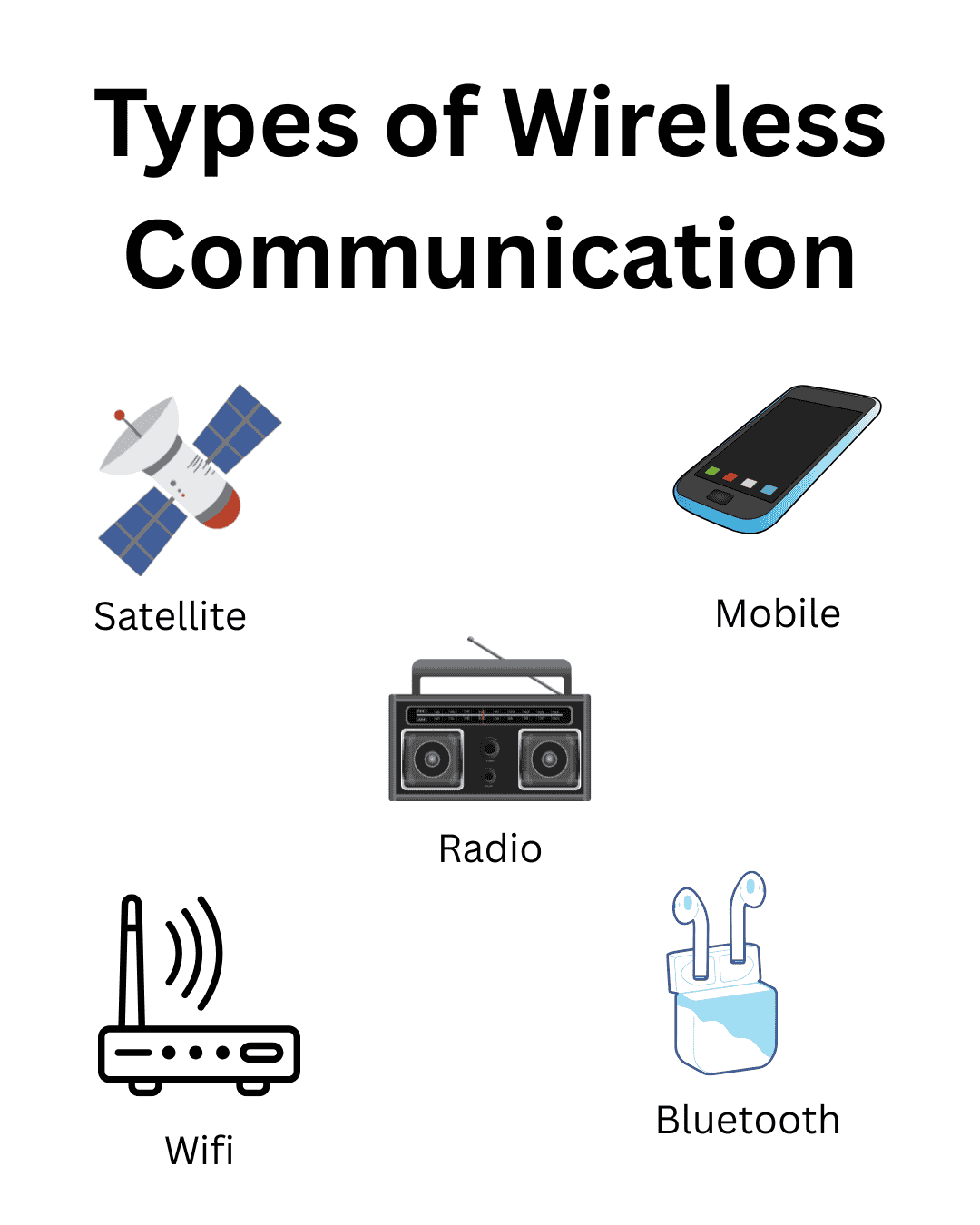
Understanding Wireless Technology is crucial in today's fast-paced digital landscape, as it forms the backbone of our daily connections. From smartphones to smart homes, wireless technology enables seamless communication and interaction. This technology utilizes various frequencies to transfer data over the air, eliminating the need for cumbersome wires. With innovations like Wi-Fi, Bluetooth, and cellular networks, we can access information, share data, and stay connected with others no matter where we are. These advancements not only enhance personal communication but also foster collaboration in businesses, making wireless technology a vital component of our modern lives.
Moreover, wireless technology is continually evolving, providing faster speeds and broader coverage. Technologies such as 5G are set to revolutionize how we connect, allowing for quicker download speeds and more reliable connections even in crowded areas. As we increasingly rely on various devices to manage our routines, understanding the fundamentals of wireless technology becomes imperative. It empowers users to make informed choices about their connectivity options, whether they're streaming music, working remotely, or engaging in smart home applications. In essence, wireless technology not only shapes our daily interactions but also drives innovation across multiple sectors.
Counter-Strike is a popular tactical first-person shooter game that has captivated gamers since its inception. Players compete in teams, where one side takes on the role of terrorists and the other as counter-terrorists. The strategic gameplay emphasizes teamwork and communication, making it essential for players to be familiar with various maps and weaponry. For those looking to enhance their gaming experience, be sure to check out the Top 10 iPhone 17 Pro accessories for the best gear available.
The Evolution of Wireless Communication: From Radio Waves to 5G
The evolution of wireless communication has been a revolutionary journey that began with radio waves in the early 20th century. These electromagnetic waves enabled the first broadcasts of audio signals, transforming how information was shared across distances. Over time, technology progressed rapidly, leading to the invention of AM and FM radio, which provided clearer sound and broader coverage. The advent of television further propelled wireless communication into the homes of millions, paving the way for an interconnected society. The introduction of cellular networks in the 1980s marked a significant milestone, allowing for mobile communication that broke free from the limitations of landlines.
As we moved into the 21st century, the demand for faster and more reliable connections continued to grow, leading to the development of 3G and 4G networks. These advancements allowed for seamless internet access on mobile devices, enabling the rise of smartphones and the app ecosystem we know today. Now, with the rollout of 5G technology, a new chapter in wireless communication is unfolding. This state-of-the-art network promises ultra-fast data speeds, reduced latency, and the capability to connect billions of devices, setting the stage for innovations like the Internet of Things (IoT) and smart cities. The future of wireless communication looks brighter than ever as we embrace these technological advancements.
What is Wi-Fi 6? Exploring the Future of Wireless Connectivity
Wi-Fi 6, also known as 802.11ax, is the latest generation of wireless connectivity technology that promises to revolutionize the way we connect to the internet. This new standard addresses the growing demand for faster and more reliable internet connections, particularly in densely populated areas where multiple devices compete for bandwidth. With Wi-Fi 6, users can expect faster speeds, improved capacity, and better performance in environments with many connected devices, making it an essential upgrade for homes and businesses alike.
The key features of Wi-Fi 6 include:
- Higher Data Rates: Capable of speeds up to 9.6 Gbps, significantly faster than its predecessor, Wi-Fi 5.
- Improved Efficiency: Technologies like OFDMA (Orthogonal Frequency Division Multiple Access) allow more devices to connect simultaneously without sacrificing performance.
- Better Range: Advanced beamforming and target wake time (TWT) enhance coverage and battery life for connected devices.
As we move towards a more connected future, Wi-Fi 6 will play a crucial role in enabling smart homes, IoT devices, and seamless streaming experiences.