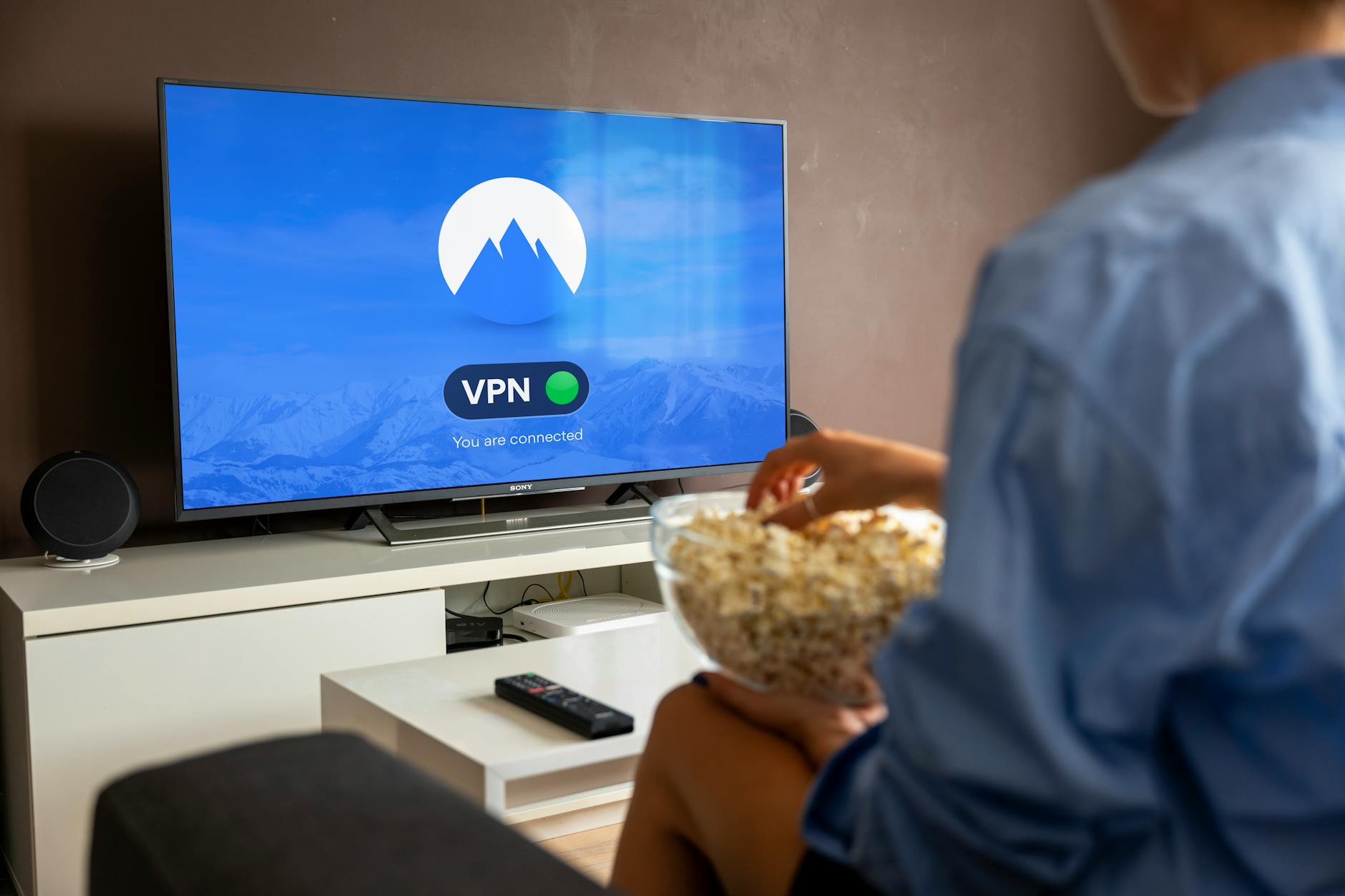
## Decoding the 'Free' VPN Promise: What Are You Really Giving Up?
The allure of a 'free' VPN is undeniable, especially for those new to online privacy or looking to bypass geo-restrictions without immediate financial commitment. However, this apparent bargain often comes with a hidden cost, impacting not just your security but potentially your entire online experience. Many free VPN providers operate on business models that necessitate alternative revenue streams, frequently involving the collection and monetization of user data. This can include anything from your browsing history to your IP address, effectively turning you into the product they sell to advertisers or other third parties.
Furthermore, the technical capabilities of free VPNs are often severely limited compared to their paid counterparts. You might encounter slow connection speeds, frequent disconnections, and a very restricted selection of server locations. These limitations not only hinder your ability to stream content or browse efficiently but also make the VPN less effective at masking your true location. Some free services even embed malware or adware into their clients, further compromising your device's security and privacy. Understanding these potential pitfalls is crucial before entrusting your precious online data to a 'free' solution.
Beyond data harvesting and performance issues, the security implications of free VPNs are a significant concern. Unlike reputable paid services that invest heavily in robust encryption protocols and a strict no-logs policy, many free providers offer a much weaker defense against cyber threats. Your internet traffic might not be adequately encrypted, leaving your sensitive information vulnerable to interception by malicious actors. Moreover, the lack of transparency surrounding their operational practices makes it difficult to ascertain who truly controls your data and whether they adhere to any genuine privacy standards. It's not uncommon for free VPNs to operate under jurisdictions with less stringent data protection laws, further diminishing your safeguarding.
"If you're not paying for the product, you are the product." This adage holds particularly true in the world of free VPNs, where your data often becomes the currency.
Before committing to a 'free' VPN, consider whether the perceived savings are truly worth the potential risks to your privacy, security, and online experience. A thorough investigation into their privacy policy, server infrastructure, and user reviews is paramount. In many cases, the peace of mind and enhanced security offered by a reputable, albeit paid, VPN service far outweigh the temporary convenience of a free alternative.
## From 'Free' to Fiasco: Practical Steps to Spot and Avoid VPN Scams
The allure of a 'free' VPN is undeniable, especially for those new to online privacy. However, this often comes with hidden costs that can quickly turn into a digital nightmare. Many free VPN providers engage in unscrupulous practices such as
- logging and selling your browsing data to third parties,
- injecting intrusive ads into your web experience, or
- even embedding malware directly into their applications.
To effectively navigate the minefield of VPN scams, proactive research and critical evaluation are paramount. Start by scrutinizing the provider's privacy policy; a genuine no-logs policy is non-negotiable. Look for independent audits of their security infrastructure and transparent reporting on their data handling practices. Consider their reputation within cybersecurity communities and check for any history of data breaches or questionable behavior. Furthermore, be wary of providers that offer an abundance of features without any clear explanation of their business model. A reputable VPN service will typically offer a trial period or a money-back guarantee, allowing you to test their service without long-term commitment. Don't be afraid to invest a small amount in a trusted, paid VPN; it's a small price to pay for genuine peace of mind.