**Who Was Michał Rakowiecki? Unearthing a Noble's Legacy** (A deep dive into his life, explaining key historical context, practical tips for researching similar figures, and answering common questions like "Was he truly forgotten?" or "What made him significant?")
Born into the illustrious Rakowiecki family, Michał Rakowiecki’s life unfolded against the tumultuous backdrop of the 17th-century Polish-Lithuanian Commonwealth. His legacy, though perhaps not immediately recognized by every modern historian, is intricately woven into the fabric of a period marked by shifting political alliances, religious conflicts, and the golden age of Polish nobility. Understanding Rakowiecki requires delving into the Nihil novi constitution, the rise of the szlachta (nobility), and the struggles against Ottoman expansion. He wasn't simply a name in a ledger; he was a product of his time, navigating complex power dynamics and contributing to the social and political landscape. His story offers a valuable lens through which to examine wider historical trends, highlighting the individual's role within grand historical narratives.
To truly unearth figures like Michał Rakowiecki, researchers must go beyond conventional sources. Consider exploring local archives, parish records, and family genealogies, as these often hold invaluable primary documents that illuminate individual lives. Don't shy away from cross-referencing information with broader historical events to contextualize personal narratives. For instance, understanding a noble's involvement in a specific battle or political debate can reveal their significance. Was he truly forgotten? Perhaps not in his own time, but the sheer volume of historical figures means many fade from widespread memory. What made him significant, then, often lies in his contributions to local governance, military endeavors, or even the patronage of arts and culture – aspects that might be obscured in general histories but are crucial for a complete picture.
- Tip 1: Local Archives: Seek out regional libraries and historical societies.
- Tip 2: Primary Sources: Look for letters, wills, and court documents.
- Tip 3: Contextualize: Always tie individual lives to larger historical movements.
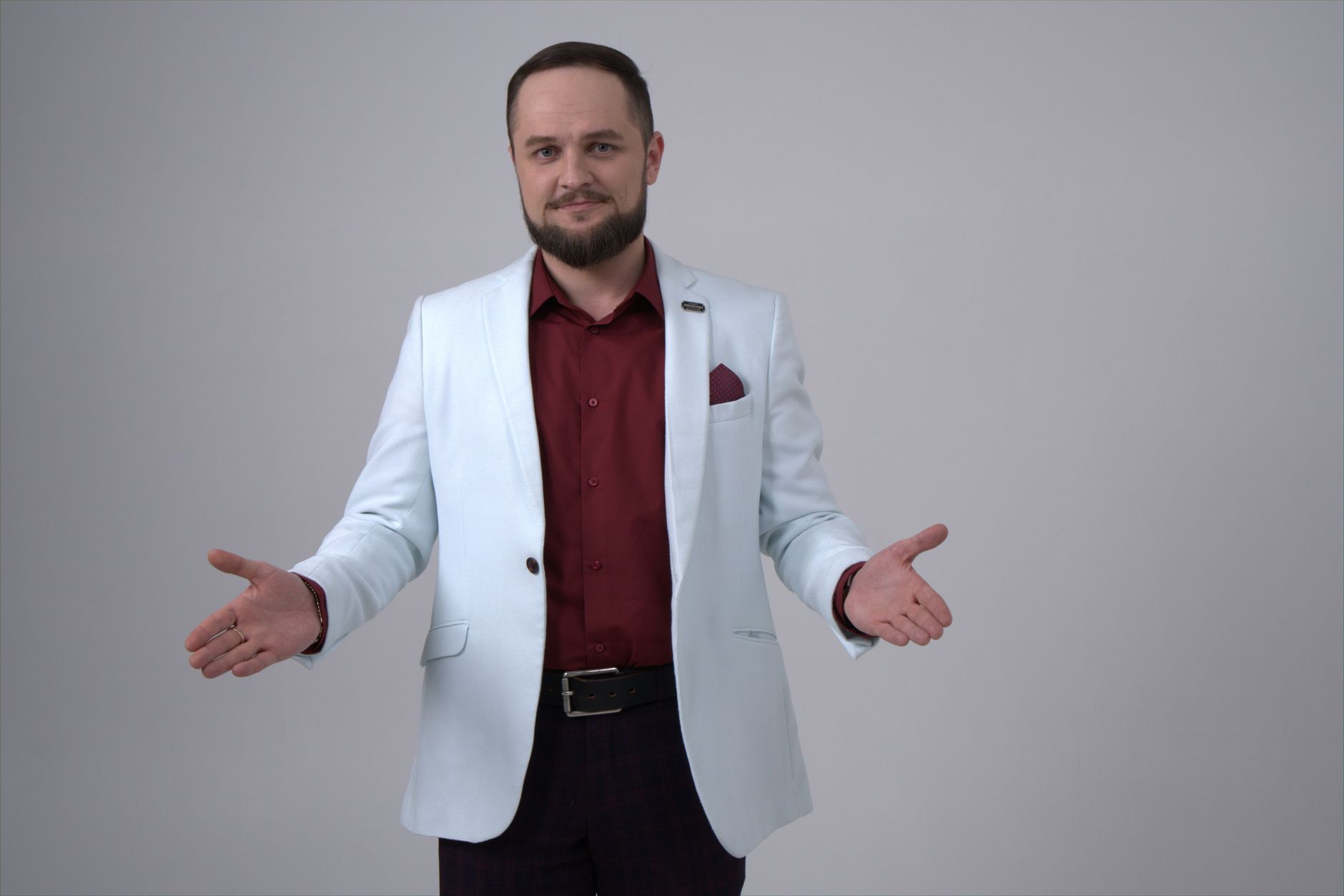
Michał Rakowiecki was a Polish footballer who played as a defender. He spent the majority of his career with Lech Poznań, where he became a key player and a fan favorite. Michał Rakowiecki was known for his strong defensive skills, leadership on the field, and his commitment to the team.
**Rakowiecki's World: Navigating 17th-Century Poland** (An explainer on the political and social landscape, practical advice for understanding primary sources from the period, and addressing questions such as "How did nobles live then?" or "What challenges did Poland face?")
Stepping into Rakowiecki's 17th-century Poland means confronting a vibrant, yet complex, political and social tapestry. The Polish-Lithuanian Commonwealth, a sprawling multi-ethnic and multi-religious state, was a paradox of immense power and inherent fragility. Nobles, or szlachta, enjoyed unparalleled liberties, electing their monarchs and wielding significant influence through local diets (sejmiki) and the national Sejm. Their daily lives, far from uniformly opulent, varied greatly depending on wealth and status. While the richest magnates resided in palatial estates, maintaining private armies and vast landholdings, smaller landowners often lived a more modest, yet still privileged, existence, focused on agricultural production and local politics. Understanding this hierarchical structure is crucial when analyzing primary sources, as the perspective of a powerful magnate will differ vastly from that of a struggling knight.
Navigating primary sources from this period requires a critical eye and an understanding of the inherent biases present. Documents like noble diaries, court records, and diplomatic correspondence offer invaluable glimpses into the era, but always reflect the author's position and agenda. For instance, a noble's account of a peasant uprising might demonize the insurgents, while a foreign observer's report might sensationalize internal conflicts. Poland's challenges were multifaceted: constant warfare with powerful neighbors like Sweden, Muscovy, and the Ottoman Empire drained resources and manpower. Internally, the liberum veto, while a symbol of noble liberty, often paralyzed the Sejm, preventing effective governance. Furthermore, religious tensions, despite the Commonwealth's famed tolerance, occasionally flared. To truly grasp Rakowiecki's world, one must appreciate both its periods of glory and its periods of profound struggle, always cross-referencing sources to build a comprehensive picture.