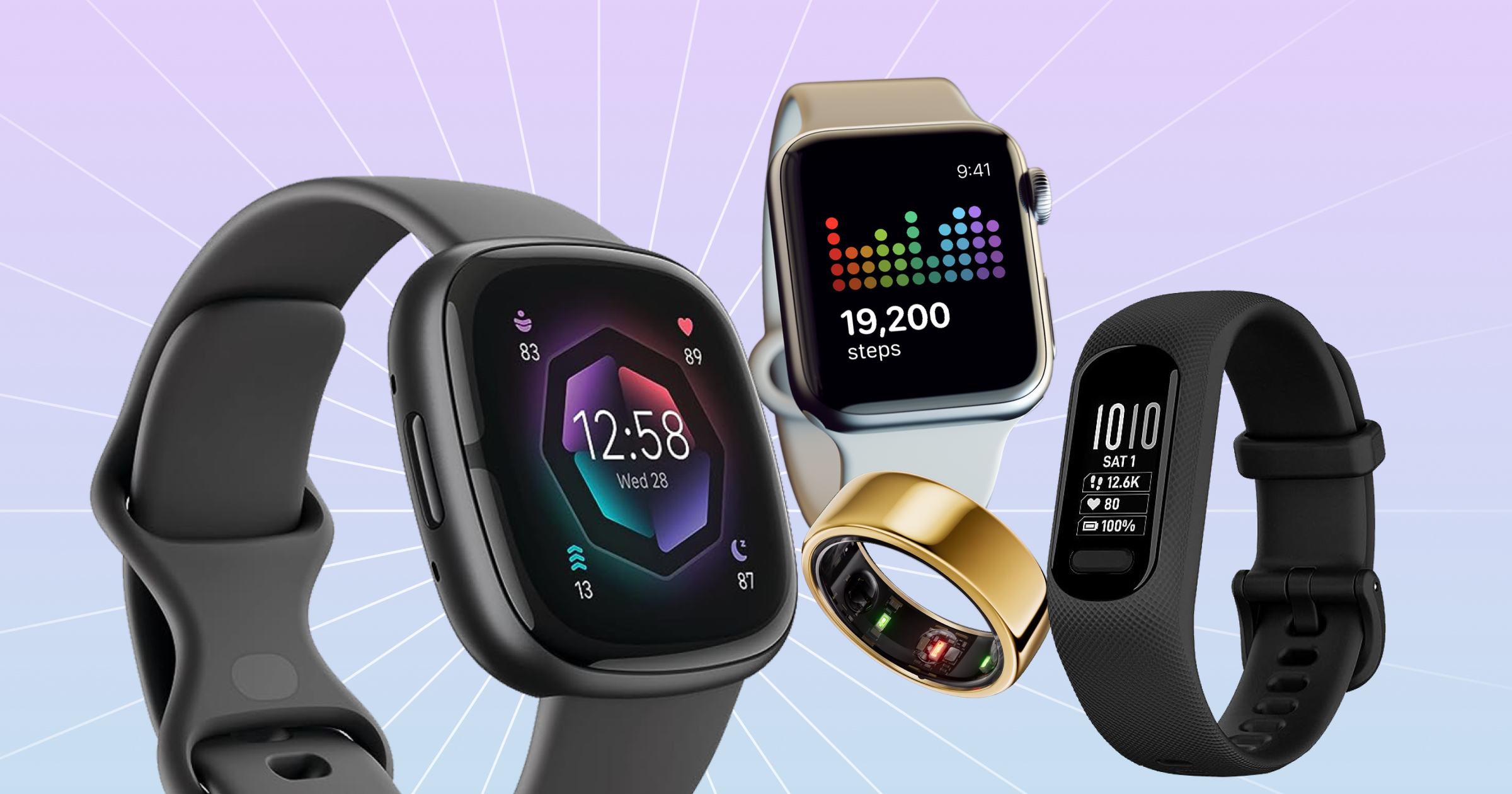
The Evolution of Wearables: From Functionality to Fashion
The journey of wearables has undergone a remarkable transformation over the past decade. Initially designed for functionality, these devices were primarily focused on health monitoring and fitness tracking. The introduction of smartwatches and fitness bands revolutionized personal wellness, allowing users to track their heart rate, steps, and even sleep patterns. As technology advanced, the integration of features such as GPS and notifications turned these gadgets into essential companions for the tech-savvy consumer. The functionality of wearables was no longer just a bonus; it became a necessity for those aiming to enhance their lifestyle.
However, the evolution of wearables has not been limited to their practical applications. As consumer preferences shifted, so too did the design and aesthetic of these devices. Brands began to recognize the demand for wearables to be as much about fashion as they were about function. With collaborations from high-end designers and the introduction of customizable bands and styles, wearables have transformed into trendy accessories that complement various outfits. The fusion of technology and style has led to a new era where consumers no longer have to choose between practicality and appearance; they can enjoy the best of both worlds.
Counter-Strike is a popular tactical first-person shooter game that emphasizes team-based gameplay and strategy. Players can choose to join either the terrorist or counter-terrorist side, engaging in various missions such as bomb defusal or hostage rescue. For those looking to enhance their productivity at work, check out the Top 10 Apple Watch Accessories for the Office to make the most of your time while gaming or working.
How Wearables Are Redefining Personal Style for Tech Lovers
The rise of wearables has transformed how tech lovers express their personal style. Once considered merely functional gadgets, devices like smartwatches and fitness trackers are now fashionable accessories that complement a wide range of outfits. With various designs, colors, and customizable features, wearables allow individuals to showcase their personality while staying connected. This integration of technology into personal aesthetics has led to a new trend where functionality meets fashion, encouraging users to select wearables that align with their style preferences.
Moreover, the evolution of wearables has sparked a shift in the fashion industry itself. Many designers are now collaborating with tech companies to create innovative pieces that blend style and technology seamlessly. For example, brands are introducing smart clothing that can monitor health metrics while maintaining a chic look. As a result, consumers now have access to a wealth of options that not only serve practical purposes but also help them express their unique taste. As we progress further into this tech-driven era, it's clear that wearable technology is not just changing how we interact with our gadgets; it's also reimagining the very concept of personal style.
Are Wearable Tech Devices the Future of Fashion?
As technology continues to advance at a rapid pace, the intersection of fashion and wearable tech has become increasingly significant. Wearable tech devices such as smartwatches, fitness trackers, and smart glasses are not just functional gadgets; they are evolving into essential fashion accessories. High-end brands are collaborating with tech companies to create wearable devices that combine cutting-edge technology with aesthetic appeal. For example, smart clothing embedded with sensors can track health metrics, while also being stylish. This blend of functionality and fashion is setting the stage for a new era where wearable tech devices will redefine what it means to Be fashionable.
The future of fashion could very well hinge on how effectively the industry integrates technology into daily wearables. As consumers increasingly prioritize lifestyle and health, the demand for wearable tech will likely rise. Imagine garments that change color based on the wearer’s mood or accessories that adapt to provide comfort based on environmental conditions. This technological integration not only serves practical needs but also presents new fashion trends that could shape the industry. As designers continue to innovate, the question remains: will fashion evolve to embrace technology fully, establishing wearable tech devices as the cornerstone of our wardrobes?