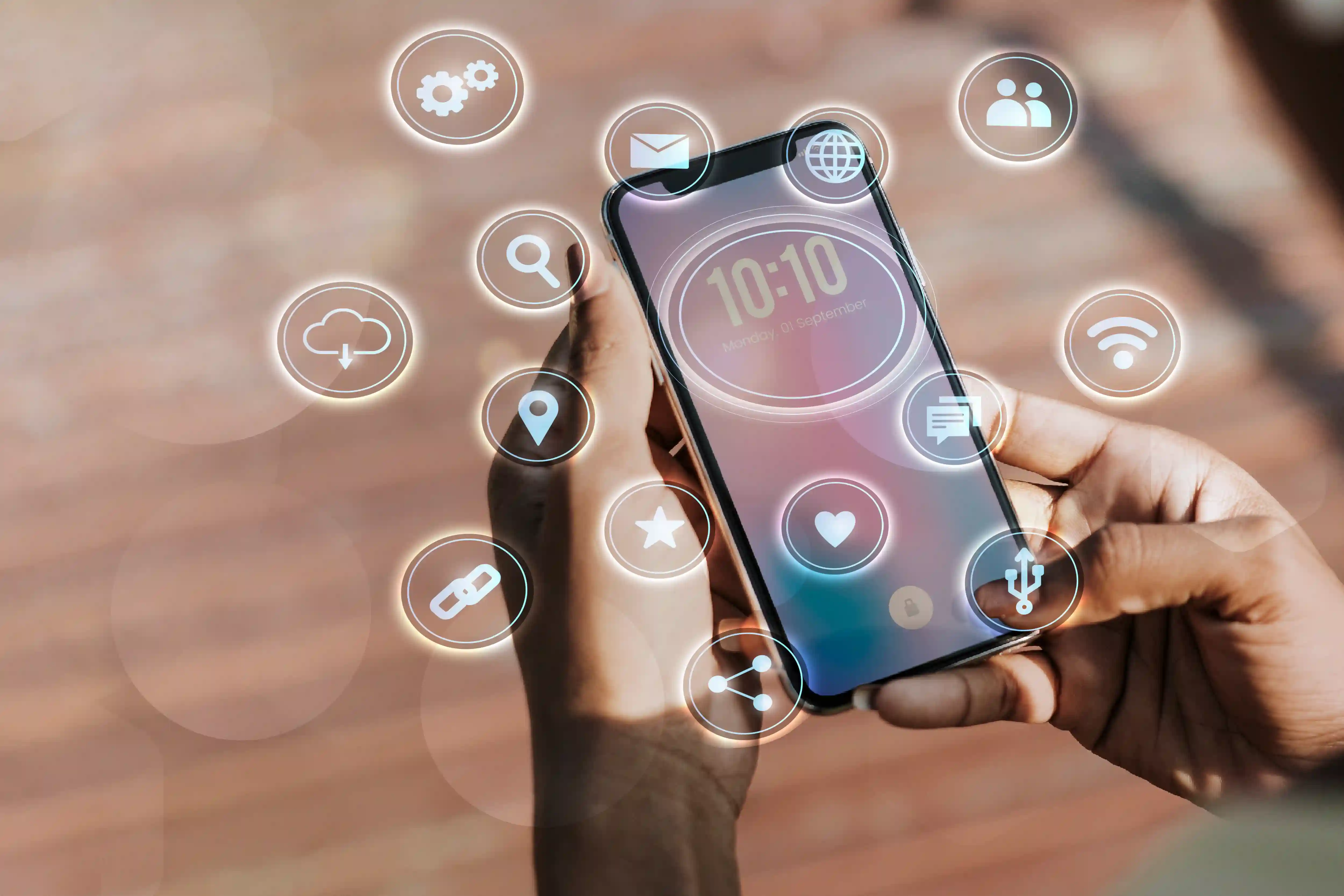
Unlocking the Secrets: 5 Ways Your Smartphone Knows You Better Than Your Best Friend
In today's digital age, our smartphones have become an integral part of our daily lives, collecting vast amounts of personal data to tailor experiences to our preferences. Unlocking the secrets of how these devices function reveals some astonishing ways they know us better than our closest friends. For instance, your smartphone tracks your location via GPS, giving it insight into where you go, what you do, and even who you spend time with. This data allows it to predict your behaviors and suggest activities, restaurants, or routes better than a friend who may not always know your current whereabouts.
Moreover, smartphones have access to our communication patterns through our texts, calls, and social media interactions. By analyzing this information, they can recommend connections based on your interests and past interactions. They even learn your preferred communication style, offering suggestions that align perfectly with how you express yourself. Here are five specific ways your smartphone excels at knowing you:
- Personalized recommendations: From music to shopping, it's tailored just for you.
- Health monitoring: By tracking your activity and habits, it understands your lifestyle.
- Calendar management: Your device knows your schedule better than anyone.
- Emotional cues: By analyzing your message sentiments, it can predict your mood.
- Social interactions: It remembers who you talk to the most and suggests reconnecting.
Counter-Strike is a tactical first-person shooter game that focuses on team-based gameplay, where players take on the roles of terrorists and counter-terrorists. The game emphasizes strategy and skill, making it a favorite in the competitive gaming community. For gamers looking to enhance their mobile gaming experience, check out the Top 10 One Hand Grips for iPhone to improve their aim and maneuverability.
The Data Behind Connection: How Your Smartphone Tracks Your Habits and Preferences
The advent of smartphones has revolutionized the way we interact with technology and each other. Every time you unlock your device, your smartphone seamlessly tracks your habits and preferences, gathering data that is as surprising as it is insightful. From the apps you use most frequently to the websites you visit, the compiled data creates a comprehensive picture of your daily behaviors. For instance, studies show that approximately 90% of users engage with their smartphones within the first few minutes of waking up, highlighting how integral these devices have become in shaping our daily routines.
Moreover, this data collection extends beyond mere usage statistics. Smartphones utilize complex algorithms to analyze your habits and tailor suggestions that enhance your experience. For example, if you often order coffee through a specific app, it might prompt you with special offers or even remind you at your usual time. This level of personalization not only improves user satisfaction but also opens up avenues for marketers to deliver targeted advertisements. By understanding how you interact with your device, companies can better serve your needs and preferences, creating a cycle of connection that is both beneficial and intriguing.
Is Your Smartphone Really Your Best Friend? Exploring Digital Intimacy in the Modern World
In today's fast-paced world, it's hard to deny that our smartphones have become an integral part of our daily lives. They serve not only as tools for communication but also as sources of information, entertainment, and even emotional support. This phenomenon raises an intriguing question: Is your smartphone really your best friend? While it can mimic the role of a confidant by providing instant access to social media and messaging apps, we must consider the depth of this digital intimacy. Does relying on a device for connection genuinely fulfill our emotional needs, or does it leave us feeling more isolated?
To explore this digital relationship further, one must reflect on the ways smartphones influence our social interactions. Studies have shown that excessive smartphone use can lead to a decline in face-to-face communication skills and an increase in feelings of loneliness. Additionally, while a smartphone can keep us connected to friends and family, it may often create a barrier to forming meaningful relationships. We can ask ourselves: Are we nurturing genuine connections, or are we settling for superficial interactions that leave our emotional needs unmet?