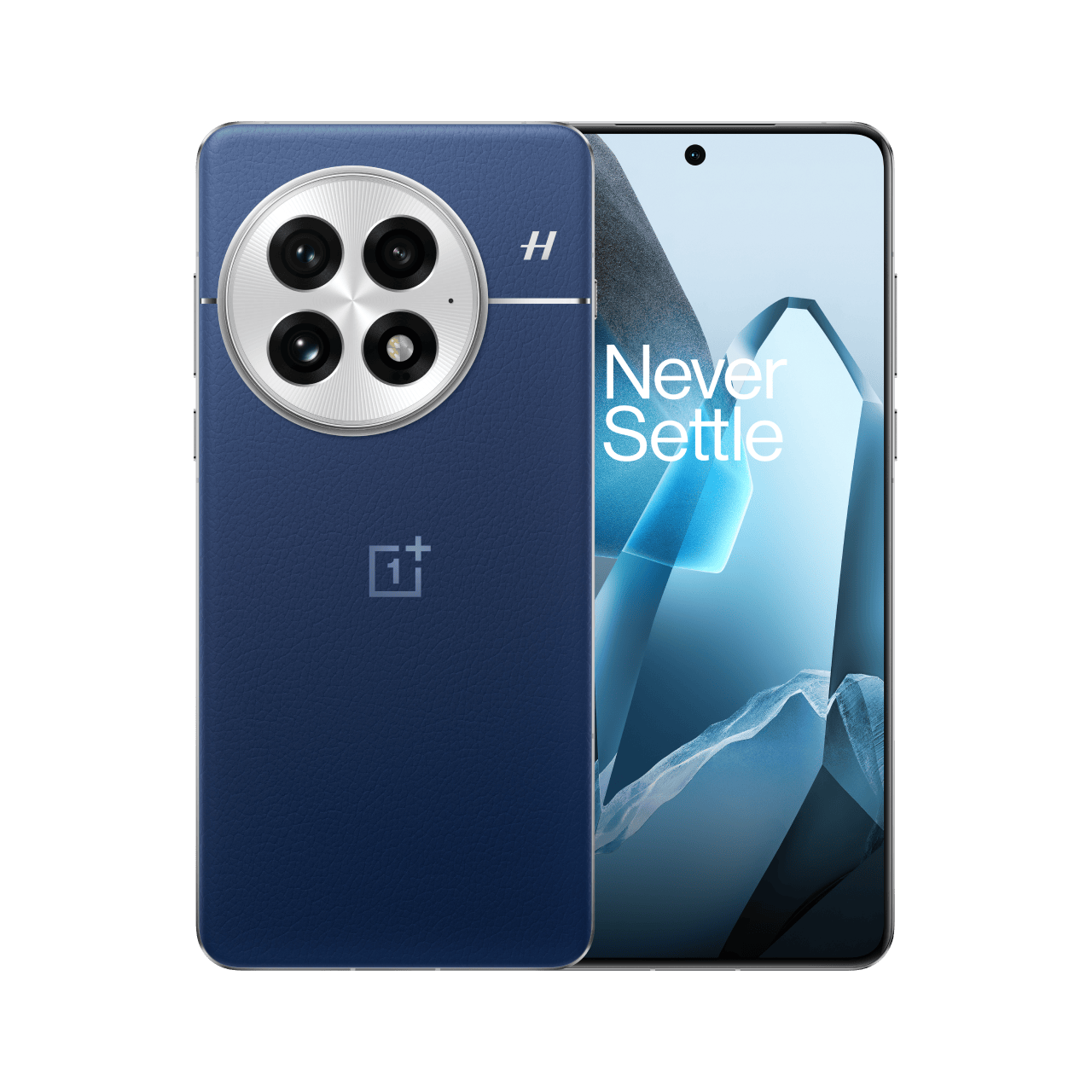
How Smartphones Have Revolutionized Communication
The advent of smartphones has transformed the way we communicate, making it more instantaneous and accessible than ever before. Gone are the days when sending a message required a lengthy process; now, with just a few taps, we can connect with anyone around the globe. This shift is not only reflected in personal communication but also in professional settings. Businesses are leveraging mobile technology to streamline operations, facilitate remote teamwork, and enhance customer engagement. The integration of social media apps has also played a crucial role in shaping modern communication patterns, offering platforms for sharing ideas and opinions in real-time.
Moreover, the rise of smartphones has introduced a plethora of communication tools that were previously unimaginable. Features such as video conferencing, instant messaging, and voice calls can be executed from a single device, bridging gaps between individuals and groups. According to recent studies, smartphones have significantly increased the frequency and quality of personal interactions. Notably, the ability to communicate via multimedia—sharing images, videos, and voice notes—enhances the richness of our conversations, making them more engaging and personal. As technology continues to evolve, we can expect further innovations that will redefine how we connect with one another.
Counter-Strike is a highly popular first-person shooter game that pits two teams against each other: the terrorists and the counter-terrorists. Players can choose from various maps and game modes, each requiring strategic teamwork and quick reflexes. For those interested in protecting their gaming devices, check out the Top 10 iphone privacy screen protectors to ensure your screen stays safe while you play.
The Evolution of Smartphone Technology: From Brick to Pocket-Sized Powerhouse
The journey of smartphone technology has been nothing short of remarkable, evolving from the bulky and basic devices of the early 1990s to the sleek and powerful gadgets we carry today. Initially, smartphones were akin to bricks, characterized by their large size, limited functionality, and a simple interface. These early mobile phones, like the IBM SIMON and Nokia Communicator, paved the way for the fusion of telephony and computing capability. Thanks to advancements in microprocessor technology and battery life, these devices began incorporating features such as email, calendars, and rudimentary internet access, laying the groundwork for the smartphone revolution.
As technology progressed, the introduction of touchscreens and app ecosystems in the late 2000s marked a significant turning point. The launch of the iPhone in 2007 redefined what a smartphone could be, shifting the focus to a user-friendly interface packed with features that appealed to the masses. Today, smartphones are pocket-sized powerhouses, equipped with multi-core processors, high-resolution cameras, and extensive app marketplaces that support everything from productivity to entertainment. This rapid evolution reflects not only advancements in hardware but also a cultural shift towards reliance on mobile technology for everyday tasks, making it indispensable in our daily lives.
What Features Should You Consider When Choosing Your Next Smartphone?
Choosing your next smartphone can be overwhelming, especially with the myriad of options available today. To help streamline your decision-making process, consider the following essential features: camera quality, battery life, and processor performance.
A high-resolution camera can significantly enhance your photography experience, while long-lasting battery life ensures you stay connected throughout your busy day. Additionally, a powerful processor guarantees faster app performance and smoother multitasking, enabling you to make the most out of your device.
Furthermore, storage capacity and software support are crucial factors to evaluate. Look for smartphones that offer ample storage—minimally 64GB is recommended, depending on your usage. Software support, particularly the frequency of updates, affects the longevity and security of your phone, so choose a brand known for consistently updating their devices. To summarize, keeping these features in mind will help you select a smartphone that best fits your needs and lifestyle.