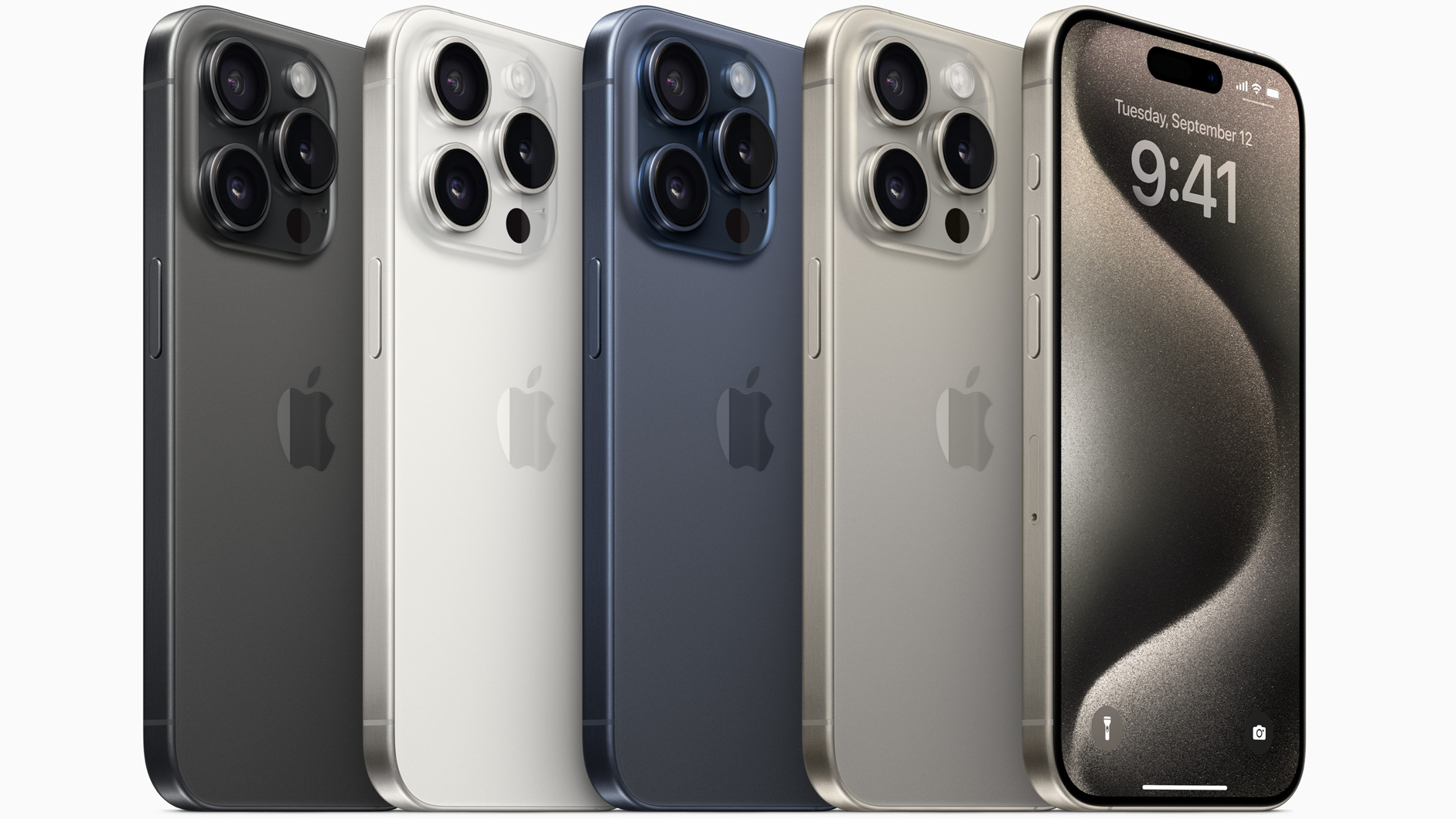
How Smartphones Evolved: A Journey Through Technology
The evolution of smartphones has been nothing short of remarkable, transforming from basic mobile devices to multifunctional personal assistants. The journey begins in the early 1990s with devices like the IBM Simon, which was the first to incorporate touchscreen technology, email functionality, and even apps. As we progressed through the late 1990s and early 2000s, more robust operating systems emerged, such as Palm OS and Windows Mobile, leading to the introduction of devices that combined phone capabilities with personal digital assistants (PDAs).
The real game-changer came in 2007 with the launch of the first iPhone, which revolutionized the industry by emphasizing user experience and app accessibility. This marked the rise of smartphones equipped with powerful processors, high-resolution touch displays, and advanced software ecosystems. Today, smartphones have become indispensable tools in our daily lives, evolving to include features like AI assistants, artificial intelligence, and augmented reality, demonstrating just how far technology has come in this dynamic landscape.
Counter-Strike is a popular multiplayer first-person shooter (FPS) game that emphasizes teamwork and strategy. Players can assume the roles of terrorists or counter-terrorists in various objective-based missions. For gamers looking to enhance their experience, checking out the Top 10 Mobile Accessories can provide essential tools and gadgets for improved gameplay.
The Impact of Smartphones on Daily Life: Connectivity and Beyond
The impact of smartphones on daily life is profound, transforming not only how we communicate but also how we connect with the world around us. With instant access to information, social media, and communication platforms, smartphones have revolutionized interpersonal interactions. For example, through applications like WhatsApp, Facebook, and Instagram, users can share their experiences and stay updated with friends and family, breaking geographical barriers. Additionally, smartphones enhance productivity through apps designed for organization, reminders, and collaboration, making it easier to manage both personal and professional responsibilities.
Beyond connectivity, smartphones have influenced various aspects of daily life. They offer access to mobile banking, e-commerce, online learning, and health monitoring. According to recent studies, a significant number of users rely on their smartphones for navigation, making things like commute and travel planning more efficient. Furthermore, the integration of smart technology allows for home automation, enabling users to control lighting, heating, and security systems remotely. As we look ahead, it's clear that the impact of smartphones extends beyond mere communication, shaping our lifestyles and experiences in ways we are only beginning to understand.
What Are the Latest Trends in Smartphone Technology and Features?
The world of smartphone technology is constantly evolving, with new trends emerging that significantly enhance user experience and functionality. One of the most notable trends is the rise of foldable smartphones, which offer users the flexibility of a portable device that can expand into a tablet-sized screen. Brands like Samsung and Huawei are leading the charge in this space, introducing innovative designs that challenge traditional smartphone formats. Additionally, advancements in 5G technology have rapidly expanded, providing faster internet speeds and enabling more seamless connectivity, which in turn enhances functionalities like gaming and streaming.
Another prominent trend is the integration of artificial intelligence (AI) into smartphone features. AI is transforming how cameras operate, providing users with features like night mode and scene recognition that help capture stunning images under various conditions. Moreover, voice assistants powered by AI are becoming more sophisticated, allowing for better user interactions and control over smart home devices. As smartphones continue to evolve, we can expect emerging trends like enhanced biometric security, including in-display fingerprint sensors and advanced facial recognition technology, to further redefine the smartphone experience.